What Does Seed Corn Look Like? Kernels, Colors, and Fields

Usually, it resembles kernels removed from a dry corn ear. Seed treatments and sweet corn genetics can change the color or texture, but appearance alone cannot establish planting quality.
Seed corn is a dry, hard corn kernel, often yellow or white, with a broad face and tapered attachment end. Treated seed may be pink, red, blue, or purple. Appearance alone cannot reveal its hybrid, treatment ingredients, or germination rate.
What Do Seed Corn Kernels Look Like Up Close?
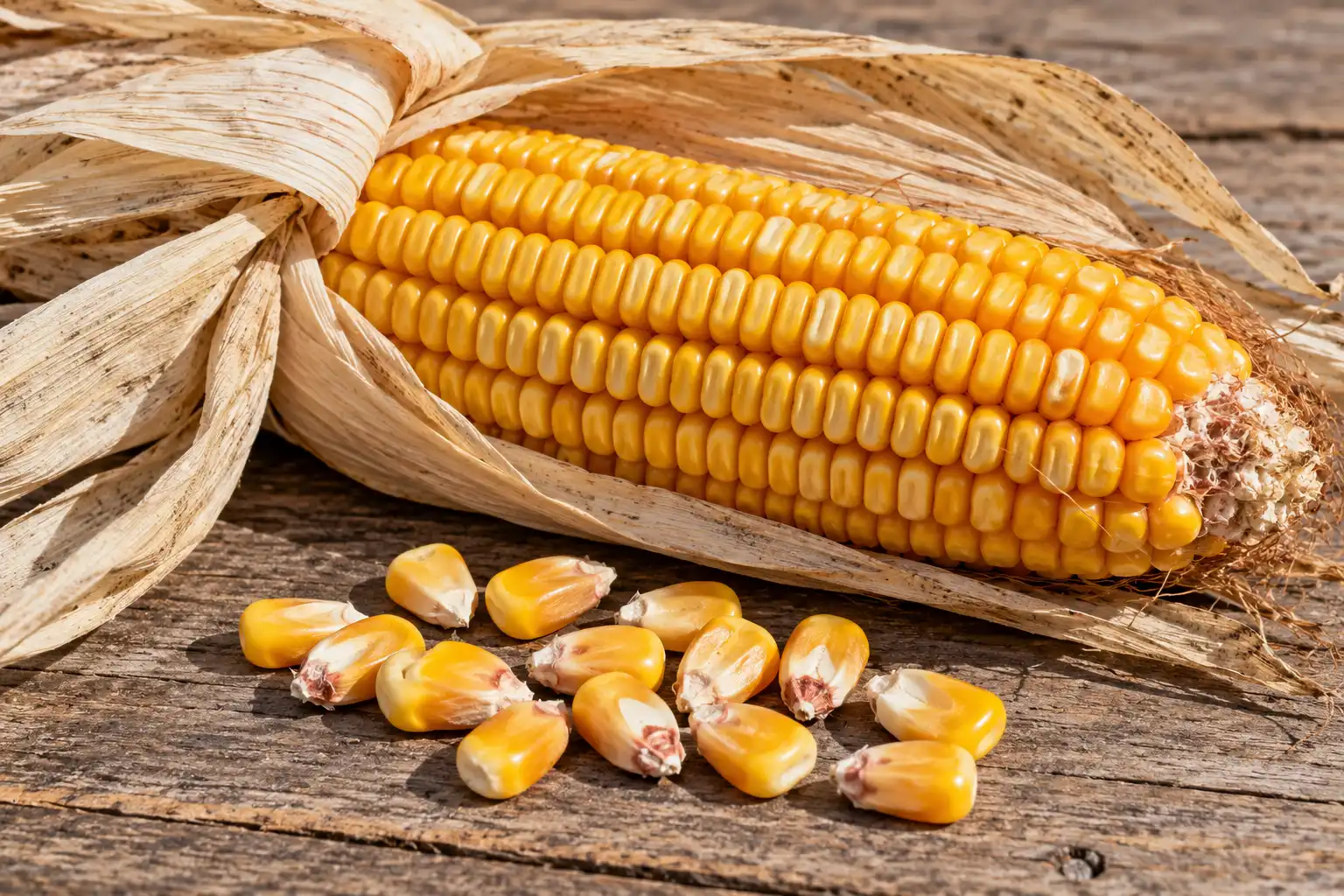
Seed corn looks like a mature, dry corn kernel, usually with a firm outer surface and an irregular wedge-like shape.
The main characteristics are:
- Color: Usually golden yellow, pale yellow, or white in common field corn varieties.
- Shape: Broad and somewhat flattened, rounded, or slightly triangular.
- Surface: Hard and relatively smooth, sometimes with a shallow indentation.
- Base: A narrower attachment point where the kernel was connected to the cob.
- Size: Variable depending on genetics, growing conditions, and position on the ear.
Each kernel contains a complete miniature corn plant.
Purdue University’s corn anatomy guide identifies three main components: the protective pericarp, the starchy endosperm, and the embryo that develops into the new plant.
Why are some seed corn kernels flat and others round?
Both shapes are normal.
Kernels from different positions on an ear develop different shapes. Commercial seed conditioning also sorts them into more uniform sizes.
Iowa State University Extension reports that kernel size and shape generally do not determine final grain yield when comparable plant populations are established.
Therefore, round seed is not automatically better than flat seed.
How Does Seed Corn Compare With Regular Corn Kernels?
Seed corn and regular grain corn can look nearly identical. Their intended use, genetics, germination quality, and possible treatments distinguish them.
| Corn type | Typical appearance | Main difference |
|---|---|---|
| Untreated field corn seed | Hard yellow or white kernels, flat or round | Intended and selected for planting |
| Treated seed corn | Similar kernels with pink, red, blue, or other colored coatings | Has an applied seed treatment |
| Supersweet corn seed (sh2) | Smaller, wrinkled, sometimes deeply shrunken | Naturally different seed texture |
| Popcorn seed | Usually smaller, hard, rounded kernels | Popcorn genetics and kernel characteristics |
| Harvested field corn grain | Dry kernels resembling untreated seed corn | Produced for grain use, not necessarily tested for planting |
An important exception is supersweet corn.
University of Minnesota Extension explains that Shrunken-2 (sh2) supersweet varieties, including ‘Northern Xtra Sweet,’ produce relatively small, lightweight seeds that look shrunken when dry.
That wrinkled appearance is normal for this genetic type. It does not automatically indicate damaged seed.
Why Is Some Seed Corn Pink, Red, Blue, or Purple?
Bright, unnatural coloring on seed corn usually comes from an applied seed treatment rather than the corn’s natural pigmentation.
Commercial corn planting seed may receive treatments intended to protect seeds or young seedlings from specific diseases or insects.
The U.S. Environmental Protection Agency explains that pesticide seed treatments generally require approved dyes unless applicable regulatory exceptions are met. These dyes help distinguish treated seed from grain intended for consumption.
However, seed color does not reveal which pesticide ingredients were applied.
A pink treatment from one supplier can differ from a pink treatment from another. Always check the seed container label.
Important: Never use pesticide-treated seed corn for human food, livestock feed, or oil production. Keep it away from children, pets, and food-storage areas. Follow the label for handling and disposal.
What Does Seed Corn Look Like on the Ear?
Before shelling, seed corn develops as kernels arranged in rows around a cob, just like other corn.
A mature ear typically has:
- Firm, developed kernels attached to the cob.
- Drying or dried husks surrounding the ear.
- Kernels that may show slight dents, depending on corn type.
- A cob that remains after the kernels are removed.
An ear grown for seed production does not necessarily have a unique appearance. Its dimensions and kernel characteristics depend on the parent line.
After harvest, commercial seed corn goes through processes such as drying, shelling, cleaning, grading, and quality testing.
A dried ear collected from an ordinary grain field is not automatically equivalent to commercial planting seed.
What Does a Seed Corn Field Look Like?
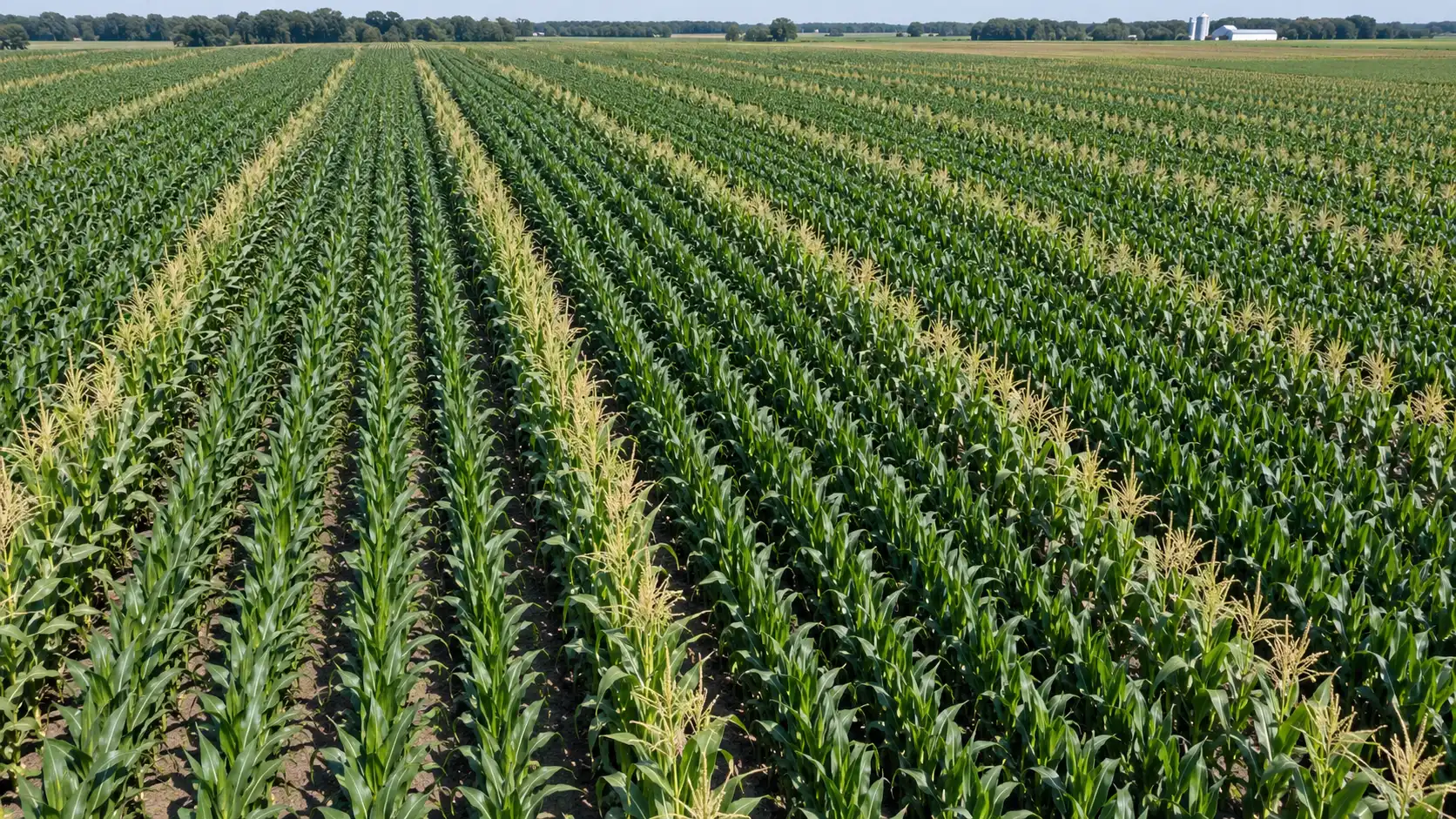
A hybrid seed corn field looks much like a regular cornfield early in the season. However, its planting pattern and tassel management can reveal the difference.
Commercial hybrid seed production usually involves two parent lines:
- Female rows: Produce the ears from which hybrid planting seed is harvested.
- Male rows: Supply pollen to fertilize the female plants.
The female plants usually have their tassels removed or their pollen production prevented. The male plants retain pollen-producing tassels.
Michigan State University Extension describes common seed-production arrangements with four female rows followed by one or two male rows. Some fields use different arrangements.
Later, the male rows may be cut down or removed after pollination.
This can give seed corn fields alternating bands of tasseled plants, detasseled plants, or empty-looking rows.
What Does Seed Corn Look Like When It Germinates?
Germinating seed corn first develops a small white root, followed by an emerging shoot.
The early development follows a recognizable sequence.
| Stage | What you see |
|---|---|
| Dry seed | Firm kernel without visible growth |
| Water absorption | Kernel swells as it takes in moisture |
| Root emergence | Small white primary root appears near the kernel tip |
| Shoot development | Pale, pointed coleoptile grows upward |
| Seedling emergence | Narrow green corn leaves emerge from the soil |
According to Purdue University’s guidance on corn germination, the primary root can emerge within two to three days in warm, adequately moist soil. Cold conditions can delay this process substantially.
Corn can begin germinating at about 50°F soil temperature, but warmer soil generally produces faster emergence.
This temperature response matters across the United States. A kernel planted in cold spring soil in the northern Corn Belt can take much longer to emerge than one planted into warmer soil farther south.
For planting depth, spacing, and subsequent crop management, follow the corn growing and planting guide.

How Can You Tell Whether Seed Corn Is Good for Planting?
Healthy-looking corn seed is not necessarily viable. Visual inspection can reveal damage, but it cannot establish germination performance.
Check three things before planting.
1. Look for physical damage
Inspect untreated kernels for cracked seed coats, broken sections, visible mold, and unusual softness.
A shallow dent in dent corn is normal. An actual crack through the kernel is different.
2. Read the seed label
Check the crop type, variety or hybrid identification, stated germination percentage, test date, and treatment information.
Also confirm that the hybrid’s maturity and intended use match your growing region.
3. Test older untreated seed
For small quantities of untreated garden seed, Illinois Extension describes a simple paper-towel germination test.
Place 10 seeds in a moist folded paper towel inside a container or plastic bag. Keep it around 70°F or warmer, and check for sprouting over approximately 7 to 10 days.
If eight seeds sprout:
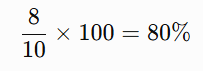
This gives an approximate 80% germination result. It is only a small-sample check, not a certified laboratory test or a guarantee of field emergence.
For commercially treated seed, rely on the seed lot’s test information and follow its handling label.
FAQs about Seed Corn Look Like
Can seed corn be white instead of yellow?
Yes. Untreated seed corn can be white, yellow, or another natural color depending on its genetics. White kernels can produce healthy corn plants, and kernel color alone does not determine the variety’s planting quality or yield potential.
Are flat corn seeds worse than round seeds?
No. Flat and round kernels can both produce productive corn plants when seed quality and field establishment are good. Kernel shape matters more for planter adjustments and consistent seed placement than for predicting final yield.
Why do some seed corn kernels have dents?
Dent-type corn develops a characteristic indentation as kernels mature and dry. This feature is normal and does not necessarily indicate damage. However, deep cracks, broken seed coats, or visible mold require closer inspection.
Can I plant kernels from a grocery store corn ear?
Fresh sweet corn ears are generally harvested before the kernels reach seed maturity. Therefore, their kernels are unreliable for planting. Use mature seed labeled for planting, especially when you need predictable variety characteristics and germination.
Can I save seed corn from hybrid corn plants?
Hybrid corn kernels can sometimes germinate when saved and replanted. However, their offspring will not reliably reproduce the original hybrid’s characteristics. Open-pollinated varieties are more suitable for seed saving when properly isolated from other corn pollen.
Key Points Before Planting Seed Corn
Seed corn usually resembles ordinary dried corn kernels. Untreated kernels have natural colors, while treated seed often has a colored coating. Some supersweet varieties are naturally wrinkled.
Use appearance to recognize kernel types and spot physical damage. Use seed labels and germination information to determine whether a lot is suitable for planting.