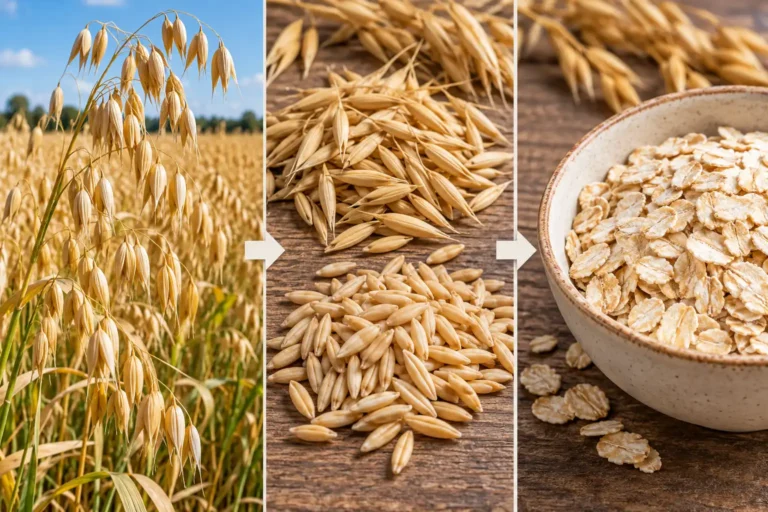
How to Plant Oats: Best Time, Seed Depth, and Seeding Rates
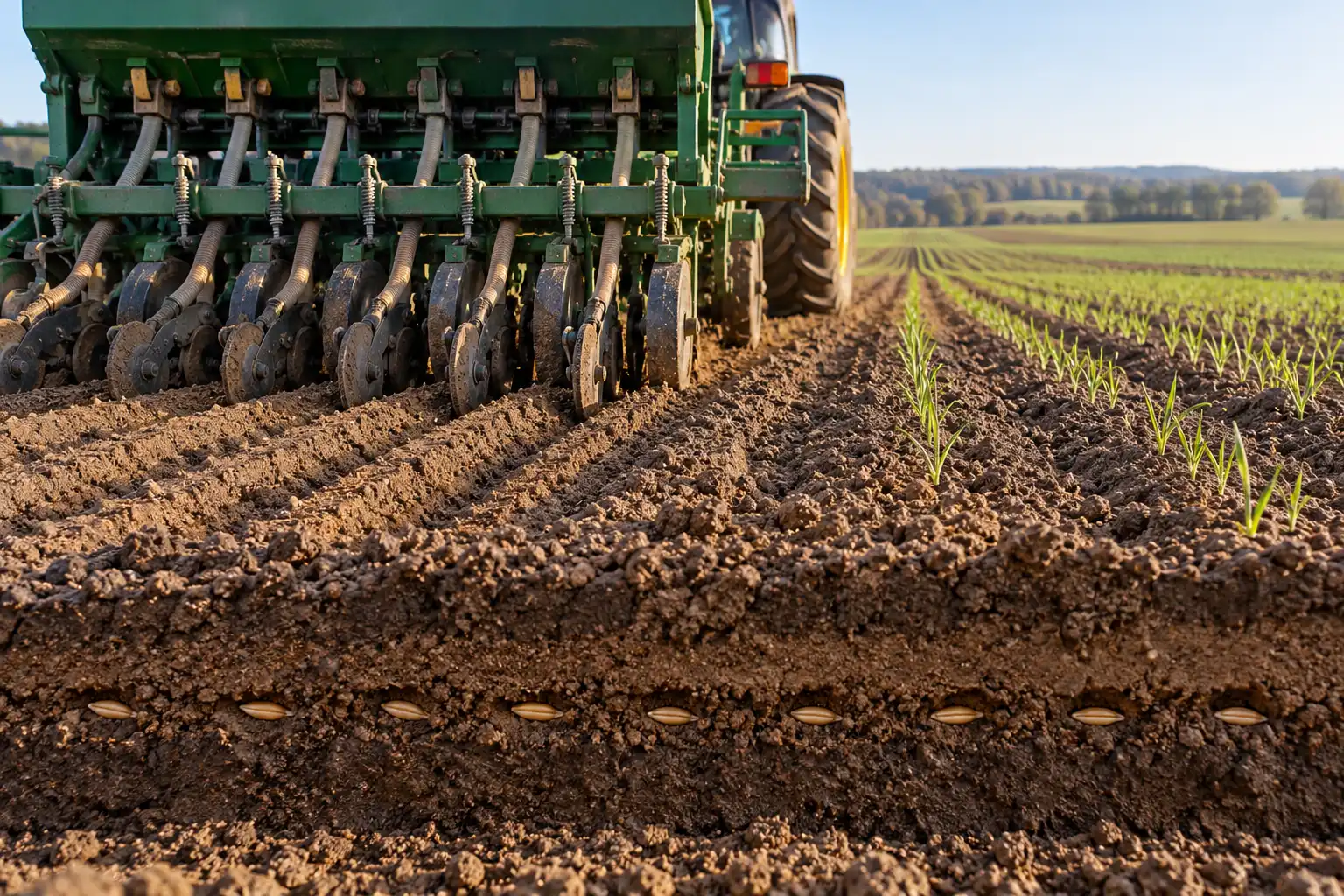
Learning how to plant oats starts with choosing the right season, seed rate, and planting depth. Oats grow best during cool weather, but grain, forage, and cover-crop production require different approaches. Correct seed placement and consistent soil moisture help establish a healthy stand.
Plant oats in early spring in northern regions or during fall in suitable southern climates. Sow certified seeds into moist, firm soil, generally 0.75 to 2 inches deep. Use approximately 60 to 90 pounds of seed per acre for grain, adjusting for regional conditions.
Choose the Right Oat Seeds Before Planting
Start with certified oat seed suited to your climate and intended harvest. Oats (Avena sativa) are cool-season cereal grasses grown for grain, livestock feed, forage, and soil protection.
There are three main planting purposes:
| Purpose | Suitable oat type | Primary goal |
|---|---|---|
| Grain production | Locally adapted grain oats | Mature kernels for food or feed |
| Forage production | Forage varieties with good biomass production | Grazing, hay, or silage |
| Cover cropping | Fast-growing spring oats | Soil coverage, weed suppression, and nutrient capture |
Spring Oats vs. Winter Oats
Spring oats are commonly planted in early spring across the northern United States. They grow during cool weather and mature before or during summer.
Winter-adapted oats can be planted in fall in suitable southern regions. However, oats are generally less winter-hardy than wheat or cereal rye.
In cold regions, spring oats planted as a fall cover crop often winterkill, leaving residue that protects the soil.
This difference matters when choosing between wheat and oats for different growing conditions.
Which Oat Variety Should You Plant?
Choose varieties using recent university trial results from your state.
For example, the University of Georgia’s 2026 forage recommendations identify:
- Horizon 214: Good early-season forage production in Georgia’s Coastal Plain.
- Gladiator: Good late-season forage production in Georgia’s Piedmont and Coastal Plain.
These are regional forage examples, not universal grain recommendations.
For grain, consider maturity, test weight, milling requirements, and crown rust resistance. Hulless oats require extra attention to seed germination because handling can damage exposed kernels.
When Is the Best Time to Plant Oats?
The best planting time is when the soil is workable and the crop can establish during cool weather.
According to South Dakota State University Extension, oats can germinate at approximately 35°F. Soil temperatures above 40°F generally promote faster germination and emergence.
Early planting helps northern grain oats develop roots and tillers before summer heat reduces grain-filling potential.
Oat Planting Calendar by U.S. Region
| Region | Typical planting window | Primary planting purpose |
|---|---|---|
| South Dakota | Late March to late April | Spring grain or forage |
| Minnesota and North Dakota | April to early May, depending on latitude | Spring grain |
| Georgia Piedmont | October 7 to October 30 | Fall grain |
| Georgia Coastal Plain | November 7 to December 1 | Fall grain |
| Iowa and much of the Midwest | Late August through October | Fall cover crop |
These dates are regional guidelines, not fixed planting deadlines.
University of Minnesota Extension recommends progressively later spring planting as you move north. Its optimum dates extend from early April in southern Minnesota to early May near the Canadian border.
The University of Georgia Cooperative Extension provides different fall planting windows for oats grown for grain and grazing.
Forage oats usually need earlier fall establishment than grain oats.
Should You Plant Oats in Spring or Fall?
Choose spring planting for grain production in colder northern climates.
Fall planting is suitable for winter forage in many southern areas. It also works for temporary soil coverage in colder regions where oats are expected to winterkill.
For a Midwest fall cover crop, Iowa State University Extension lists late August through October. Earlier planting generally provides more time for growth before freezing weather.
Oat Seeding Rates and Planting Depth by Purpose
Oat seeding rates depend on whether the crop is grown for grain, forage, or soil coverage.
How Much Oat Seed Should You Plant?
| Crop purpose and region | Seed rate | Planting depth |
|---|---|---|
| Spring grain, South Dakota | 64 to 80 lb/acre | 1.5 to 2 inches |
| Fall grain, Southeast | 60 to 90 lb/acre | 0.75 to 1.5 inches |
| Spring forage, Oklahoma | 80 to 120 lb/acre | 0.5 to 1.5 inches |
| Fall cover crop, Iowa, drilled | 60 to 75 lb/acre | 0.5 to 1 inch |
| Fall cover crop, Iowa, overseeded | 80 to 100 lb/acre | Establishment depends on moisture and seed contact |
Sources: South Dakota State University, University of Georgia, Oklahoma State University, and Iowa State University.
These recommendations should not be averaged. Each reflects a different production system.
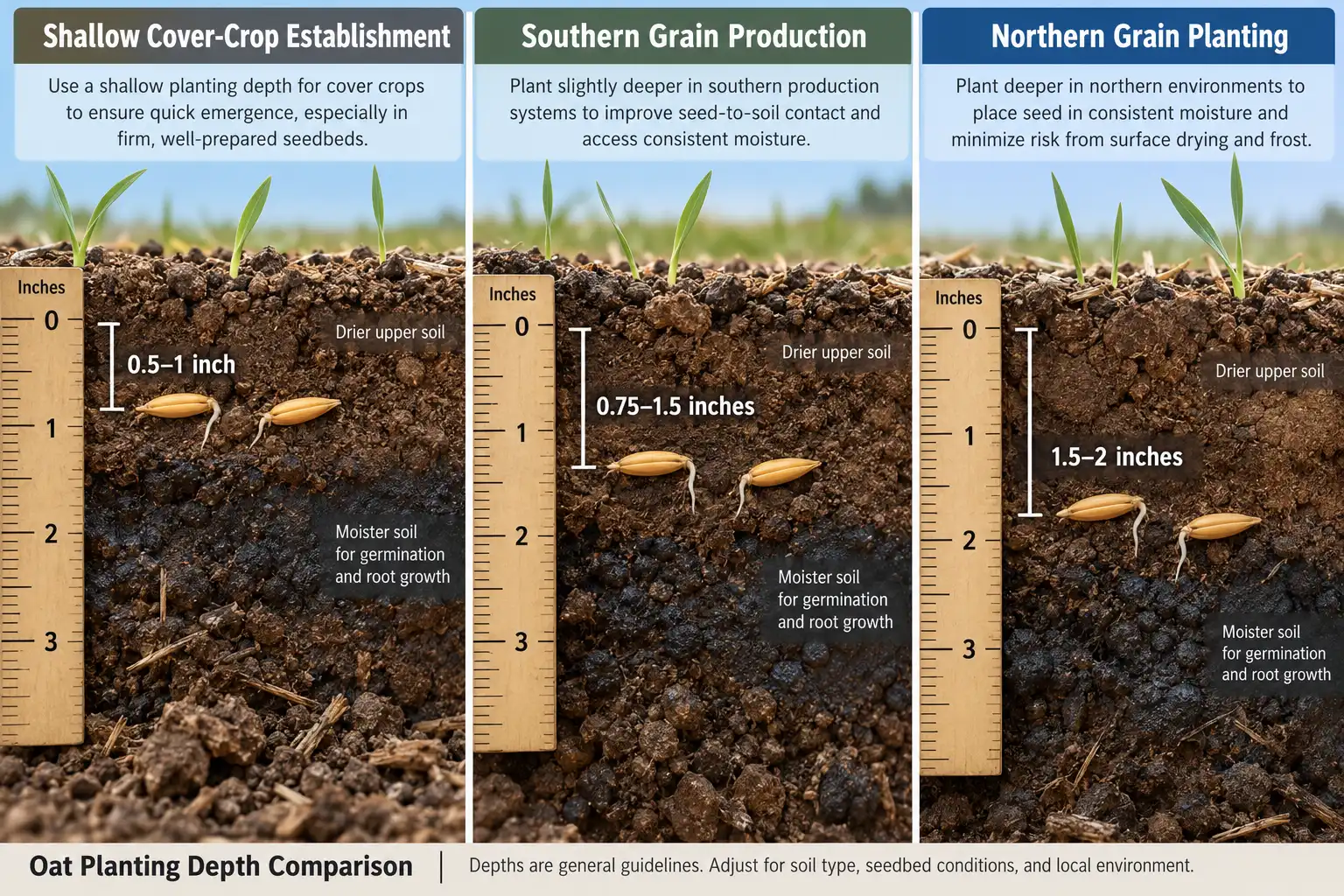
How Deep Should You Plant Oats?
Plant deeply enough to reach moisture but not so deeply that seedlings struggle to emerge.
Regional recommendations differ significantly.
The University of Georgia recommends 0.75 to 1.5 inches for southern grain oats. North Dakota State University Extension recommends 1.5 to 2.5 inches for its production conditions.
This difference reflects regional soils, moisture availability, and planting practices.
Avoid unnecessary deep planting. North Dakota State warns that depths approaching 3 inches can reduce stands.
Prepare the Soil Before Planting Oats
Oats establish best in reasonably fertile, well-drained soil with enough moisture for germination.
They tolerate a range of soil conditions, but standing water and severe compaction can restrict root development.
Test the Soil and Check pH
Before planting a field for grain or forage, collect representative soil samples.
The University of Georgia recommends a soil pH of approximately 5.8 to 6.5 for oat production in its region.
Use your soil test to determine whether lime, phosphorus, potassium, or nitrogen is needed. The guide to reading soil-test results explains how to interpret nutrient recommendations.
Prepare a Firm, Weed-Free Seedbed
Follow these steps:
- Remove established weeds and unwanted vegetation before seeding.
- Break up large soil clods where tillage is appropriate.
- Level uneven areas to improve planting-depth consistency.
- Maintain a firm surface that allows good seed-to-soil contact.
- Avoid unnecessary tillage when the soil is saturated.
For no-till planting, use equipment capable of cutting through residue and placing seeds at the target depth.
A firm seedbed does not mean heavily compacted soil. Seeds need soil contact and enough pore space for roots, water, and air.
How to Plant Oats Step by Step
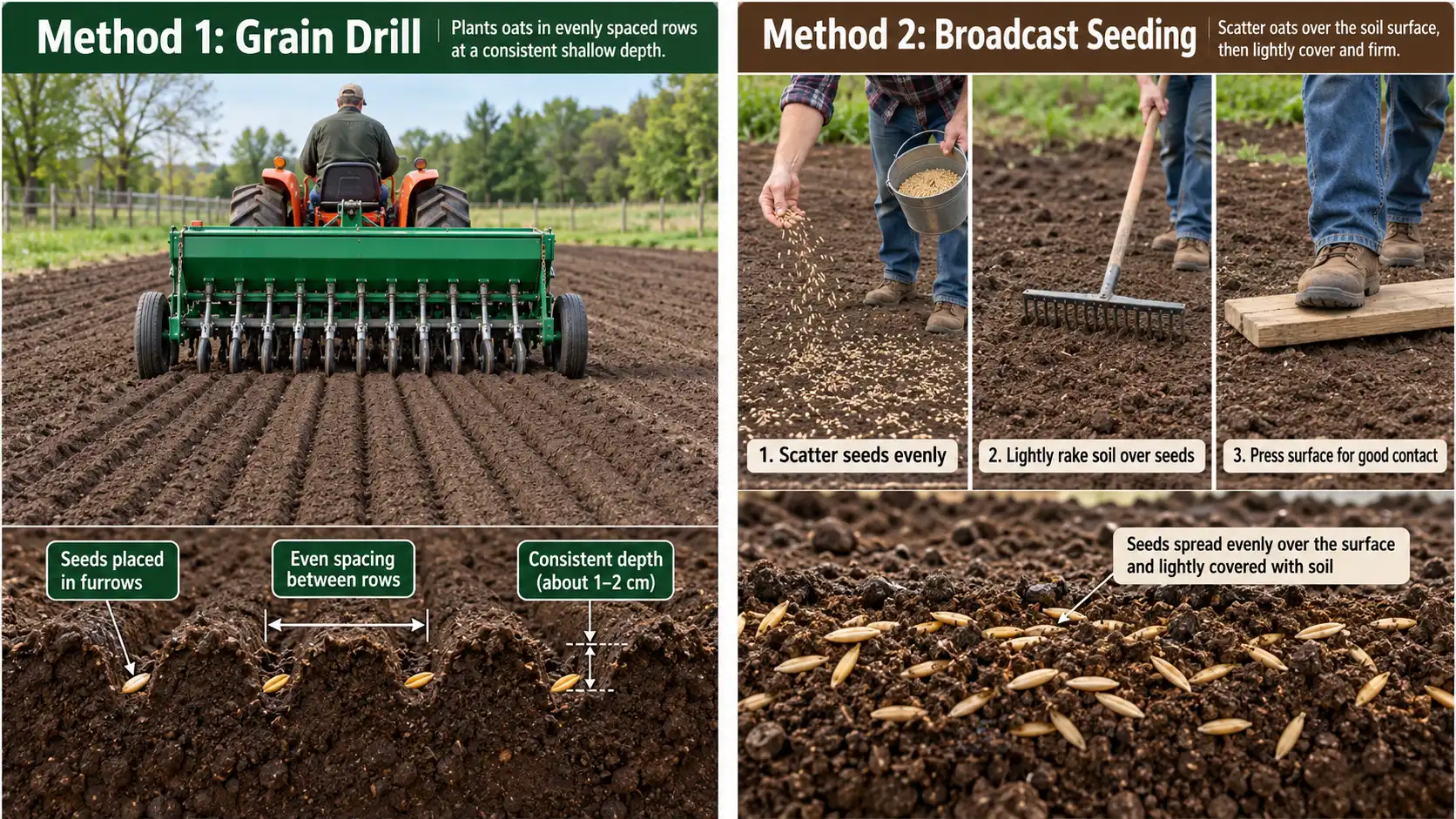
Once the seedbed is ready, plant oats using a grain drill or a suitable broadcasting method.
Step 1: Confirm the Planting Conditions
Check soil temperature, moisture, and the local forecast.
For northern spring grain, plant early once machinery can operate without damaging wet soil.
Avoid planting into saturated ground simply to meet a calendar date.
Step 2: Measure the Required Seed
Calculate the amount of seed for your planting area.
For example, at 75 pounds per acre:
- One acre requires 75 pounds.
- Five acres require 375 pounds.
- A 1,000-square-foot plot requires approximately 1.72 pounds.
Adjust these amounts if your selected regional rate differs.
Step 3: Calibrate the Grain Drill
Set the drill to deliver the required weight of seed per acre.
Use narrow, uniform rows, commonly around 6 to 8 inches apart.
Follow the drill manufacturer’s calibration procedure rather than relying only on the seed-rate dial.
Step 4: Set the Planting Depth
Adjust drill openers for your selected depth.
Plant a short test strip and uncover several seeds.
Check that seeds are uniformly placed in moist soil, not resting on the surface or buried too deeply.
Step 5: Complete Seeding and Firm the Soil
Maintain a consistent planting speed and check the drill periodically for blocked seed tubes.
Where needed, use press wheels or a light roller to improve soil contact without causing compaction.
Step 6: Check Moisture After Planting
The seeded layer must remain moist enough for germination.
If rainfall is insufficient, irrigate carefully to wet the planting zone without washing seeds out of place.
Avoid repeated heavy watering that saturates the soil.
Can You Plant Oats by Broadcasting?
Yes. Broadcasting can establish oats in garden beds, cover-crop areas, and some forage fields.
For a small bed, spread half the seed in one direction. Spread the remainder across the first pass to improve distribution.
Then lightly rake the seed into the soil and firm the surface.
Broadcasting generally needs more seed than drilling because seed placement is less consistent.
The University of Georgia recommends increasing the rate by approximately 20% when oats are broadcast and incorporated.
Calculate How Much Oat Seed You Need for Any Area
You can convert an acre-based seeding rate to a garden bed, small plot, or larger field using the same formula.
Seed needed (lb) = Seed rate (lb/acre) × Planting area (sq ft) ÷ 43,560
For example, suppose your selected seeding rate is 75 pounds per acre.
| Planting area | Seed required |
|---|---|
| 4 × 25 ft garden bed (100 sq ft) | 2.75 oz |
| 500 sq ft | 0.86 lb |
| 1,000 sq ft | 1.72 lb |
| 0.25 acre | 18.75 lb |
| 1 acre | 75 lb |
These quantities assume the same 75 lb/acre drilled rate. Adjust for broadcasting or a different planting purpose.
Adjust for Seed Germination and Purity
Seed weight alone does not guarantee the correct number of living seeds.
North Dakota State University recommends targeting approximately 1 million pure live seeds per acre for grain oats under its production guidelines.
For a hypothetical seed lot with 15,000 seeds per pound, 90% germination, and 98% purity:
Seed needed = 1,000,000 ÷ (15,000 × 0.90 × 0.98)
Result: Approximately 75.6 lb/acre.
Use the actual seed count, germination, and purity of your purchased seed. Hulless varieties and larger-seeded varieties may need different weight-based rates.
Water and Fertilize Oats After Planting
Oats require enough water and available nutrients to establish roots, develop tillers, and produce grain or forage.
However, excessive fertilizer or saturated soil can reduce crop performance.
Watering During Germination
Keep the seed zone adequately moist until seedlings emerge.
Cool weather reduces evaporation, so irrigation frequency depends on rainfall, soil texture, and drainage.
Once established, oats develop a larger root system. Moisture becomes especially important during stem development, heading, and grain filling.
For irrigated acreage, estimate requirements using crop water demand and rainfall calculations rather than applying the same amount every week.
Fertilizing Oats
Nitrogen supports leaf and stem growth, while phosphorus and potassium contribute to root development and overall crop function.
Fertilizer requirements vary by soil supply, previous crops, and yield goal.
North Dakota State University recommends considering soil nitrogen and previous-crop credits when planning oat fertilization.
Avoid applying a uniform nitrogen rate without considering these factors.
Excess nitrogen can cause lodging, particularly where plant populations are already high.
For a mixed oat and legume cover crop, nutrient management also differs from a grain-only field.
How Long Do Oats Take to Germinate and Grow?
Oats commonly emerge in approximately 8 to 10 days under favorable cool-season conditions.
The University of Minnesota Extension planting guide describes this emergence window when daytime temperatures are around the 60s°F and nights are near 40°F.
Cold, dry, or crusted soil can delay emergence.
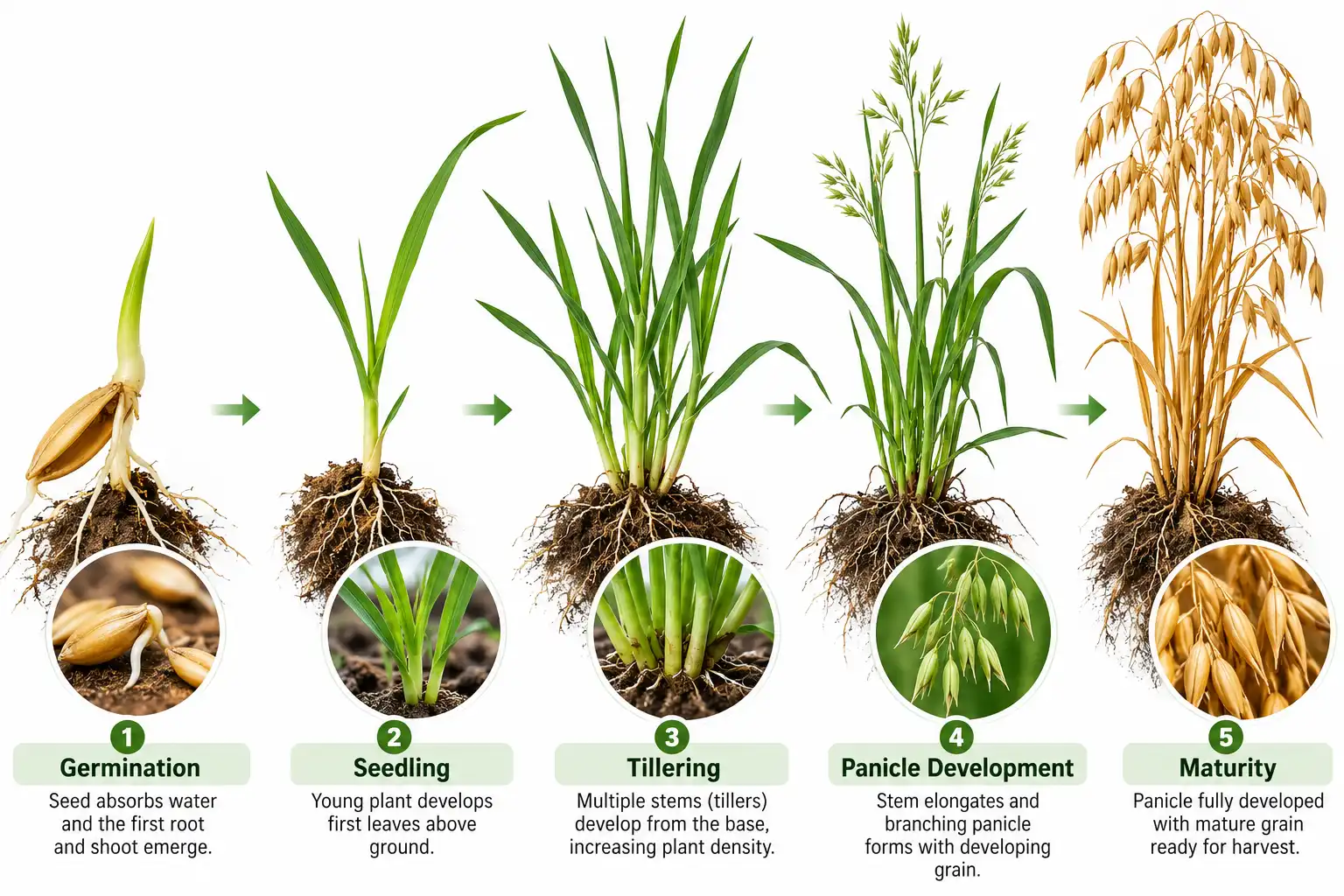
Oat Growth Stages
| Growth stage | What happens | What to check |
|---|---|---|
| Germination | Roots and shoots begin developing | Moisture and soil crusting |
| Seedling establishment | First narrow leaves appear | Stand uniformity and weeds |
| Tillering | Additional shoots develop near the base | Plant density and nutrition |
| Stem elongation | Stems grow rapidly | Lodging risk and moisture |
| Boot and heading | The developing seed head emerges | Leaf diseases and crop health |
| Grain filling | Kernels enlarge and mature | Water stress and grain development |
| Maturity | Grain dries and hardens | Harvest readiness |
Exact timing depends on variety, planting season, and weather.
Young oat plants resemble narrow-leaved grass, while mature plants develop distinctive branching seed heads. These stages are illustrated in the guide to identifying oat plants and mature seed heads.
Common Oat Planting Problems and How to Fix Them
Poor oat stands often result from planting-depth errors, inadequate moisture, soil crusting, or unsuitable seed.
| Problem | Possible cause | Recommended action |
|---|---|---|
| Uneven emergence | Variable planting depth or poor seed contact | Check drill settings and seed placement |
| Seeds fail to sprout | Dry soil, poor germination, or waterlogging | Test seed viability and inspect soil moisture |
| Patchy rows | Blocked drill tubes, residue interference, or crusting | Inspect equipment and affected seed rows |
| Pale yellow seedlings | Waterlogged roots or nutrient deficiency | Check drainage and soil-test results |
| Oats fall over | Excess nitrogen, dense stands, or severe weather | Review seeding rate and fertilizer program |
| Orange powdery leaf spots | Possible oat crown rust | Confirm disease and consult current local guidance |
Watch for Crown Rust
Crown rust is an important oat disease, especially in humid growing conditions.
The University of Minnesota Extension identifies crown rust resistance as an important variety-selection characteristic.
Orange or yellow-orange pustules on leaves can indicate infection. Confirm the disease before choosing a treatment.
Use current university recommendations and pesticides specifically labeled for oats if chemical control becomes necessary.
Avoid the Most Common Planting Mistakes
Oat establishment problems become more likely when planting conditions are ignored.
Pay particular attention to:
- Planting too deeply in crust-prone soil.
- Seeding into saturated ground.
- Using seed with poor germination.
- Broadcasting without adequate soil contact.
- Applying excessive nitrogen.
- Planting spring grain oats too late in warm regions.
Correcting planting depth, drainage, and seed quality before planting is generally easier than repairing a poor stand afterward.
When and How Should You Harvest Oats?
Harvest timing depends on whether oats are grown for mature grain, animal forage, or soil protection.
Harvesting Oats for Grain
Allow the grain to mature and dry before combining.
According to the University of Georgia’s small-grains handbook, oat grain can be harvested when moisture drops to approximately 13%.
Inspect the entire panicle rather than judging maturity from its uppermost kernels alone.
If harvested grain is too wet for safe storage, dry it appropriately before storing.
Harvesting Oats for Forage
Forage oats are generally harvested earlier than grain oats.
Oklahoma State University recommends cutting spring oats for hay before early reproductive development to protect forage quality.
The exact cutting stage depends on the desired balance between yield and feed quality.
Managing Oats as a Cover Crop
Fall-planted spring oats commonly winterkill in the Upper Midwest.
In milder areas, they may remain alive longer and need mechanical or other appropriate termination.
If preventing volunteer oats is important, terminate the crop before viable seed develops.
FAQs About Planting Oats
Can You Plant Oats Without Soaking the Seeds?
Yes. Oat seeds can be planted dry directly into prepared soil. Soaking is unnecessary for normal field establishment. Reliable seed-to-soil contact and moisture after planting are more important than presprouting seed before sowing.
Can You Plant Oats From the Grocery Store?
Rolled oats, instant oatmeal, and steel-cut oats are not suitable planting seed because processing damages or destroys their ability to sprout. Use viable, whole oat seed intended for planting, preferably certified with known germination.
Can You Grow Oats in a Small Garden?
Yes. Oats can grow in a sunny garden bed with adequate drainage and cool-season conditions. Use the bed’s square footage to calculate seed weight. Expect limited grain quantities compared with field-scale production.
Can Oats Be Planted With Peas or Clover?
Yes. Oats can grow with suitable forage peas or clovers for animal feed or soil coverage. Adjust seeding rates for both species because full monocrop rates can create excessive competition and reduce legume establishment.
Will Oats Regrow After Cutting?
Oats may produce additional leafy growth after an early vegetative cutting if growing conditions remain favorable. Regrowth becomes less dependable as plants mature. Do not assume a harvested oat stand will produce another grain crop.
Can Oats Reseed Themselves?
Yes. Mature oat plants can drop viable grain that produces volunteer seedlings under favorable conditions. If you grow oats as a cover crop, prevent unwanted reseeding by terminating the stand before mature seed develops.
Key Points for Planting a Healthy Oat Crop
Successful oat planting depends on matching the seed variety, planting season, rate, and depth to your region and harvest goal.
For grain production, prioritize early establishment, uniform drilling, and soil-test-based fertility. For forage or cover crops, adjust seed rates and harvest or termination timing to suit the intended use.
Check the first planted rows for consistent depth and soil contact. Those early adjustments can prevent uneven stands across an entire field.